Source mini smart pill box for Promotion, Food Storage, and Travel
Compare 30 mini smart pill box options from verified suppliers in China. These plastic organizers feature customizable colors, logo printing, and moisture-proof designs suitable for pills and food storage.
Key considerations
Products List
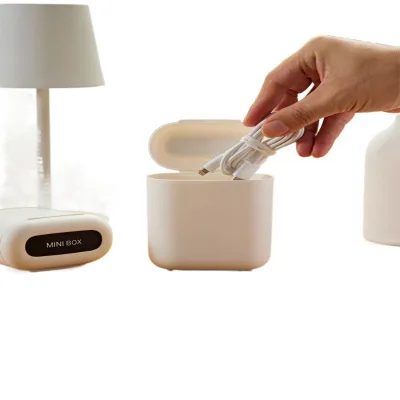


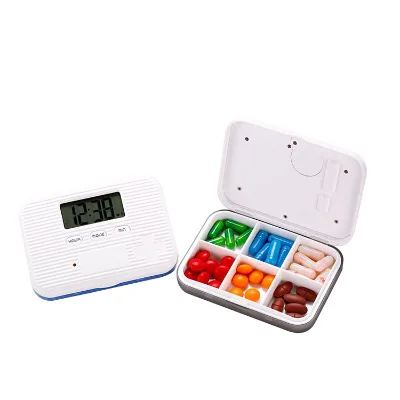
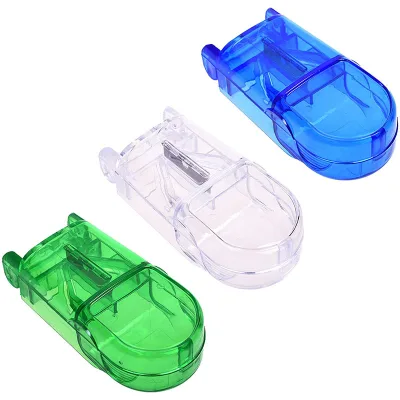


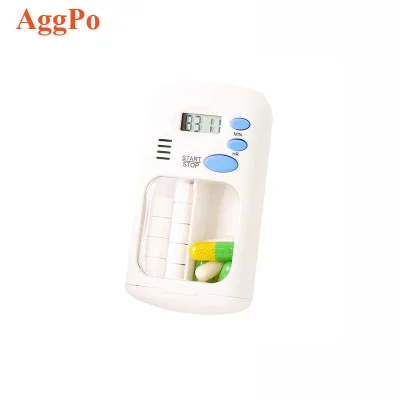
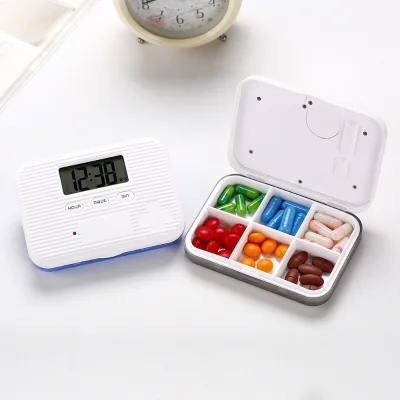

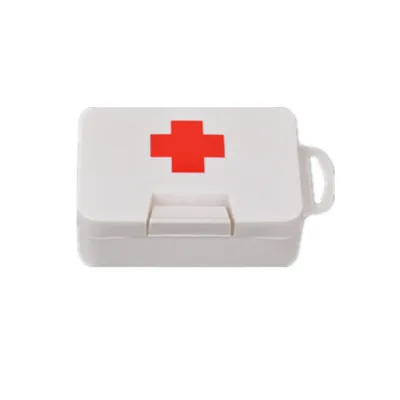
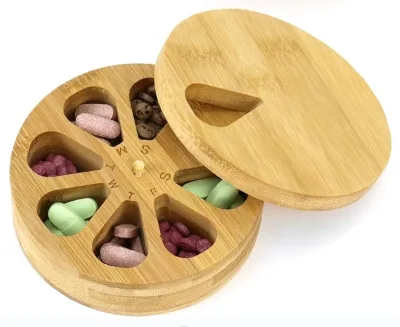


Comprehensive Sourcing Guide
Strategic Sourcing Guide for Mini Smart Pill Boxes
The global demand for personal health management tools has elevated the "mini smart pill box" from a niche accessory to a critical component in daily wellness routines. For B2B procurement professionals, sourcing these items requires a nuanced understanding of the intersection between simple storage mechanics and advanced organizational features. This guide provides a disciplined framework for evaluating suppliers, verifying technical specifications, and ensuring compliance without relying on unverified marketing claims. The objective is to equip buyers with the analytical tools necessary to navigate a market characterized by diverse material compositions, varying customization levels, and complex logistical requirements.
Technical Specifications and Material Composition
When evaluating a mini smart pill box, the first step is to rigorously analyze the physical and functional specifications provided by potential suppliers. The market offers a wide spectrum of designs, ranging from basic plastic containers to more complex organizers with specific compartmentalization. A critical observation in the current supply landscape is the variation in dimensions. Buyers must verify that the product dimensions align with their specific packaging and retail requirements. For instance, some listings indicate compact sizes such as 75cm, while others specify larger units like 8710cm or 12.85*5cm. These discrepancies highlight the necessity of confirming the exact model number and physical footprint before placing an order, as the "mini" designation is not standardized across the industry.
Material composition is another paramount factor influencing durability and safety. The primary materials observed in this category include general plastic and specific polymers like ABS (Acrylonitrile Butadiene Styrene) and PP (Polypropylene). ABS is often cited for its structural rigidity, suitable for products requiring "Partial Hard" characteristics, while PP is frequently used for its chemical resistance and flexibility. The internal material specification is particularly important for food and pharmaceutical applications. Procurement teams must request material data sheets to confirm that the internal lining is food-grade and safe for direct contact with medication. Additionally, the transparency level of the casing varies; some products are semi-transparent to allow users to check inventory at a glance, while others are fully opaque or colored in specific shades like white, blue, pink, or black.
The compartment design also dictates the utility of the device. Standard configurations often feature a single-layer fixed design, which is suitable for organizing daily doses. However, buyers should verify if the supplier offers multi-compartment options or if the "single-layer" specification is a limitation of the specific model being sourced. The weight of the unit is another technical metric; observed data suggests a product weight of approximately 46 grams, which is a reasonable benchmark for a portable, handheld organizer. Any significant deviation from this weight range should prompt a deeper inquiry into the density of the materials used or the inclusion of additional electronic components.
Compliance, Certification, and Safety Standards
In the realm of health-related accessories, compliance is not merely a regulatory hurdle but a fundamental trust signal for end-users. When sourcing mini smart pill boxes, buyers must scrutinize the certification claims made by suppliers. The market data indicates that reputable manufacturers often possess a suite of certifications including CE, FDA, EEC, MSDS, and GMP. These certifications serve as evidence that the product meets specific safety, quality, and manufacturing standards.
The CE mark indicates conformity with health, safety, and environmental protection standards for products sold within the European Economic Area. FDA compliance suggests that the materials used are safe for food and drug contact, a critical requirement for pill organizers. GMP (Good Manufacturing Practice) certification ensures that the product is consistently produced and controlled according to quality standards. However, buyers must exercise caution and verify the validity of these certifications through official registries rather than accepting them as marketing assertions. The presence of MSDS (Material Safety Data Sheet) is particularly important for understanding the chemical composition and handling requirements of the plastic materials used.
It is also essential to distinguish between the product's intended application and its actual certified status. While some products are marketed for "Food" or "Promotion" use, the specific certifications required may vary based on the target market. For example, a product intended for the US market must align with FDA guidelines, whereas European buyers will prioritize CE and EEC compliance. Buyers should explicitly request copies of these certificates and verify the scope of coverage to ensure the specific model number matches the certification documentation. Relying on general claims without verifying the specific model's certification status can lead to significant compliance risks and potential recalls.
Cost Drivers and Pricing Dynamics
Understanding the cost structure of mini smart pill boxes is vital for maintaining healthy profit margins. The observed price range in the market spans from $0.05 to $5.90 USD, a wide disparity that reflects differences in material quality, customization, and order volume. Several key factors drive these costs. First, the complexity of the molding process and the type of plastic used significantly impact the unit price. ABS and PP materials, while durable, may carry different cost implications compared to generic plastics.
Customization is another major cost driver. Options such as customized colors, silk screen printing, and logo application add layers of complexity to the production process. Suppliers offering "Customized Color" and "Logo Printing" services will typically charge a premium over standard, off-the-shelf units. The printing page configuration, whether single or double-sided, also influences the final cost. Furthermore, the MOQ (Minimum Order Quantity) plays a crucial role in pricing. The market shows an MOQ range from 2 to 20,000 units. Smaller orders often incur higher per-unit costs due to setup fees and lower production efficiency, while larger volumes benefit from economies of scale.
Packaging specifications also contribute to the overall cost. Variations in carton specifications, such as 47.53436cm holding 180 pieces versus 38.53332cm holding 200 pieces, affect shipping logistics and storage costs. Buyers should calculate the total landed cost, including packaging and freight, rather than focusing solely on the unit price. The weight of the product, typically around 46 grams, combined with the gross weight of the carton (ranging from 11.6 to 15.5 kg), determines shipping fees, which can be a significant portion of the total cost for international procurement.
Typical Applications and Market Segmentation
The versatility of the mini smart pill box allows it to serve multiple market segments. The primary application is as a "promotion pill box," making it a popular choice for corporate gifts, pharmaceutical marketing campaigns, and health awareness initiatives. In this context, the ability to customize the logo and color is a significant advantage for brands looking to reinforce their identity. The "Funny" style mentioned in some product descriptions suggests a design trend targeting younger demographics or those seeking a more playful approach to medication management.
Beyond promotional use, these organizers are designed for specific user groups, including the "Middle-Aged and Old" population. For this demographic, features like clear visibility, easy-to-open compartments, and durable materials are essential. The "Unisex" nature of the product ensures broad appeal across gender lines. Additionally, the "Moisture-proof" function is a critical feature for preserving the efficacy of medications, particularly in humid environments. Buyers should verify the effectiveness of the moisture-proofing claims, as this directly impacts the product's value proposition for health-conscious consumers.
The application extends to general household use, where the "Pill Organizer" serves as a daily reminder system. The "Single-layer Fixed" design is ideal for organizing a week's worth of medication, while the "Semi-transparent" casing allows users to quickly assess their remaining supply. Whether used for personal health management or as a branded promotional item, the mini smart pill box must balance functionality with aesthetic appeal to meet the diverse needs of the market.
Supplier Evaluation and Quality Control
Selecting the right supplier requires a rigorous evaluation process that goes beyond price comparisons. Buyers should assess the supplier's production capabilities, focusing on their ability to handle customization requests such as silk screen printing and color customization. The "OEM" (Original Equipment Manufacturer) brand name indicates that the supplier is capable of producing private-label goods, which is essential for businesses looking to create their own branded products.
Quality control is paramount in this sector. Buyers must implement a robust QC strategy that includes pre-production sample approval, in-process inspections, and final random inspections. Key quality metrics to monitor include the hardness of the material, the accuracy of the dimensions, and the integrity of the moisture-proof seal. The "Partial Hard" characteristic mentioned in some specifications suggests that the product should be durable enough to withstand daily handling without cracking, yet flexible enough to be opened and closed easily.
Suppliers should also demonstrate a commitment to consistency in their packaging. The variation in carton specifications (e.g., 180 vs. 200 pieces per carton) highlights the need for clear communication regarding packing standards. Buyers should request detailed packing lists and verify that the gross and net weights match the agreed-upon specifications to avoid discrepancies during shipping and customs clearance. Additionally, the "Place of Origin" being Fujian, China, is a common hub for plastic manufacturing, but buyers should verify the specific factory location to ensure it aligns with their ethical sourcing policies.
Long-Term Procurement Considerations
Sourcing mini smart pill boxes is not a one-time transaction but a long-term strategic partnership. Buyers should consider the scalability of the supplier's production lines to accommodate future order volume increases. The observed MOQ range of 2 to 20,000 units suggests that suppliers can handle both small test orders and large-scale production runs. However, buyers must clarify the lead times associated with different order sizes to ensure timely delivery.
Sustainability is another emerging consideration. While the primary material is plastic, buyers should inquire about the recyclability of the materials used and whether the supplier offers eco-friendly alternatives. The "PP" and "ABS" materials are generally recyclable, but the specific formulation and additives used can impact their environmental footprint. Additionally, the longevity of the product is crucial; a well-made pill box should withstand years of use without degrading, reducing the need for frequent replacements.
Finally, buyers should maintain open communication channels with suppliers to stay informed about market trends and technological advancements. The "Smart" aspect of the product name implies potential for future integration with digital health tools. While current models may be purely mechanical, staying ahead of the curve by discussing potential upgrades or new features can provide a competitive advantage in the evolving health and wellness market. By focusing on these long-term factors, buyers can build a resilient supply chain that delivers value over time.
FAQs
What materials are used for the mini smart pill box?
The product is primarily made of plastic, with internal materials specified as ABS or PP. Buyers should verify the specific model to confirm if the internal lining is food-grade and safe for direct contact with medication.
Can I customize the color and logo on the box?
Yes, customization is available for both color and logo printing. Suppliers offer silk screen printing on a single page, allowing for customized colors like white, blue, pink, or black to match your brand identity.
What certifications does the mini smart pill box hold?
Reputable models often carry CE, FDA, EEC, MSDS, and GMP certifications. Buyers must verify the validity of these certificates through official registries to ensure the specific model meets safety and quality standards for your target market.
How does the MOQ affect the pricing of the product?
The minimum order quantity ranges from 2 to 20,000 units, directly influencing the unit price. Smaller orders often incur higher costs due to setup fees, while larger volumes benefit from economies of scale and lower per-unit pricing.
What are the standard dimensions and weight of the box?
Dimensions vary by model, with observed sizes including 7*5cm, 8*7*10cm, and 12.8*5*5cm. The typical product weight is approximately 46 grams, though buyers must confirm the exact footprint for their specific packaging requirements.
Is the mini smart pill box waterproof for daily use?
The product is generally not waterproof, though some models feature moisture-proof functions. Buyers should verify the specific sealing capabilities to ensure the medication remains protected from humidity in their intended storage environment.